Furniture Finishes
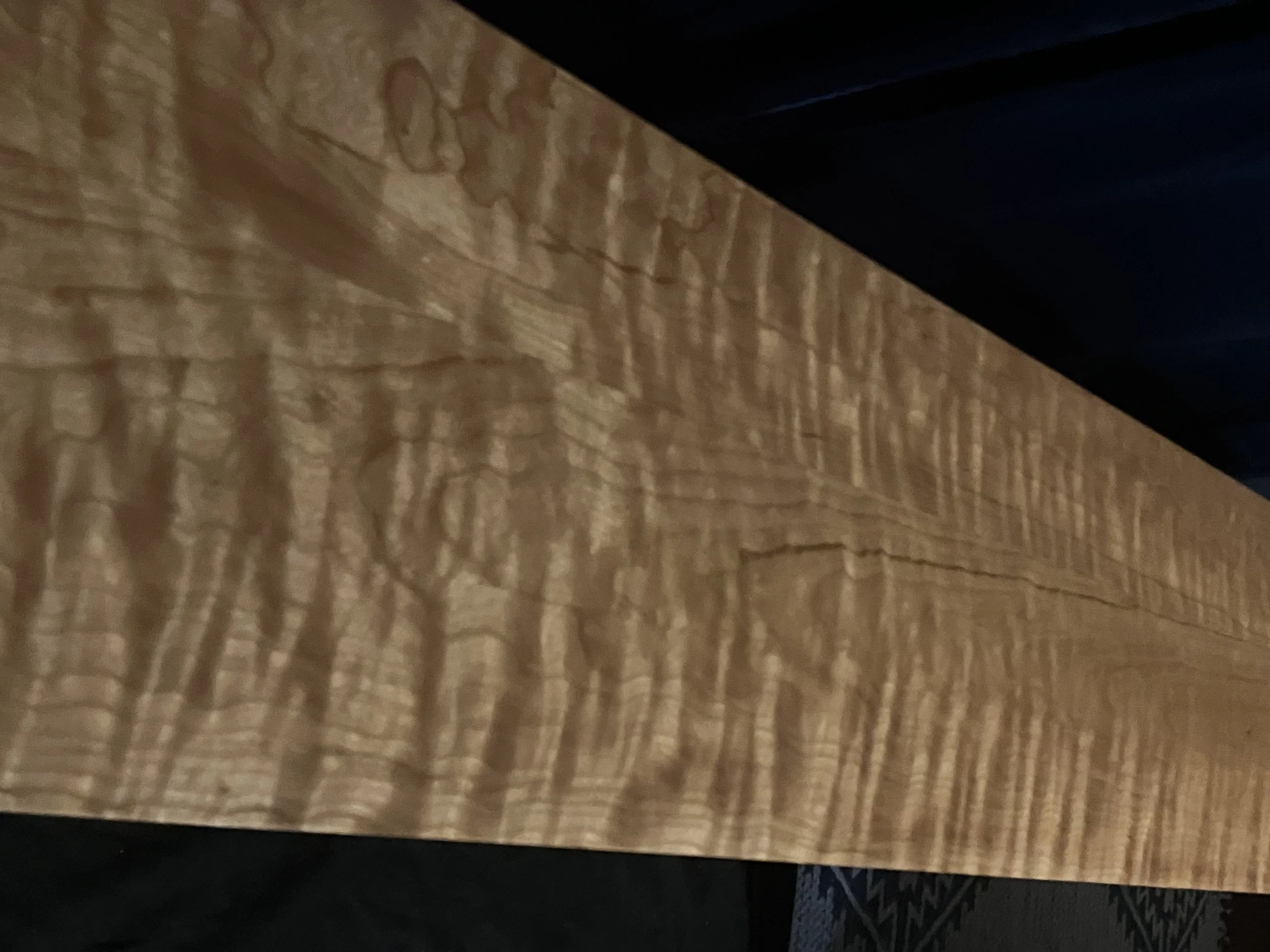
The final top coating of furniture has two purposes. First, it will help protect the wood from wear, scratches, and liquids. Second, it significantly improves the wood’s appearance by highlighting and “popping” the wood grain and color. Most top coatings are clear and range from flat to glossy luster and provide a range of protection capabilities.
-
Polyurethane, and other urethanes, are our preferred top coating for our furniture. It basically encases the wood in a thin plastic shell that seals the wood from liquid spills and light scratches.
-
Penetrating oils (Linseed, Tung, Danish, etc.) are applied to the wood’s surface and are absorbed into its fibers. They naturally enhance the wood’s natural color and provide spill resistance. These oils leave the surface with a matte luster
-
Epoxy is a strong and durable polymer that has become popular in some niches of furniture-making. It has a high level of scratch resistance and is impenetrable by most household liquids. However, those benefits come with the high material and labor costs for this top coating finish.
-
Shellac is an older finishing method that is still used today because it is simple to apply (brush-on), provides a gloss luster, and has the unique feature of including real beetle juice as a main ingredient. However, although it does provide spill resistance, it scratches and wears easily.
-
Lacquer is another older finishing technique that originally included tree resins. These natural ingredients were eventually replaced with 20th century acrylics. Polyurethane (above) is the 21st century replacement for this outdated finishing method.
-
Varnish is just a generic term for the top coating of wooden furniture.
-
Color staining the wood is not part of the top coating process but is usually done as the step before applying the final finish. Traditionally, color stains are applied to give the wood an aged appearance because most wood species darken with age and exposure to sunlight. Color stains are also often applied to provide an economical wood the color of a more expensive wood.